Which attractants really pull carp in?
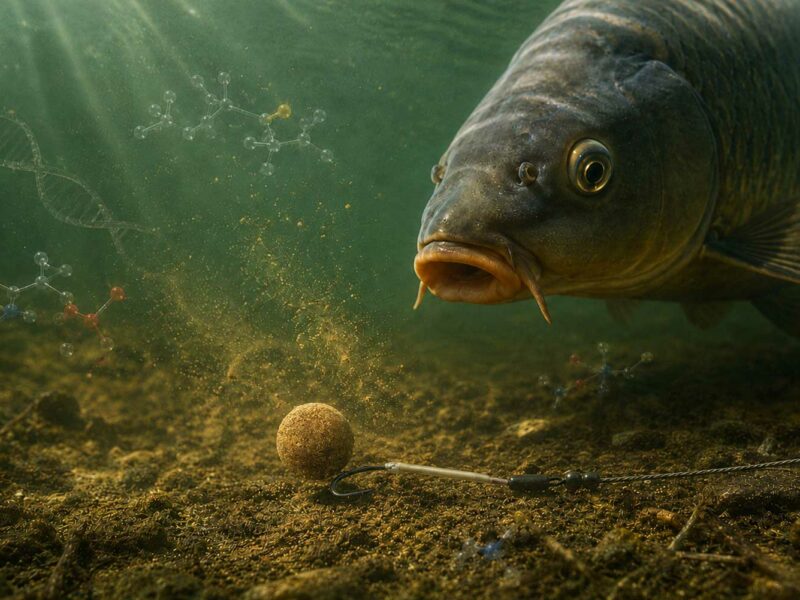
Carp attractants work best when they address scent, feeding behaviour and taste at the same time. A carp does not find a bait by smell alone. It detects dissolved substances through its sense of smell, checks the bait at close range and then decides in the mouth whether to take it or reject it. That is why combinations of natural flavours, free amino acids, betaine, liquids, dips, particles and good groundbait are usually stronger than one single scent.
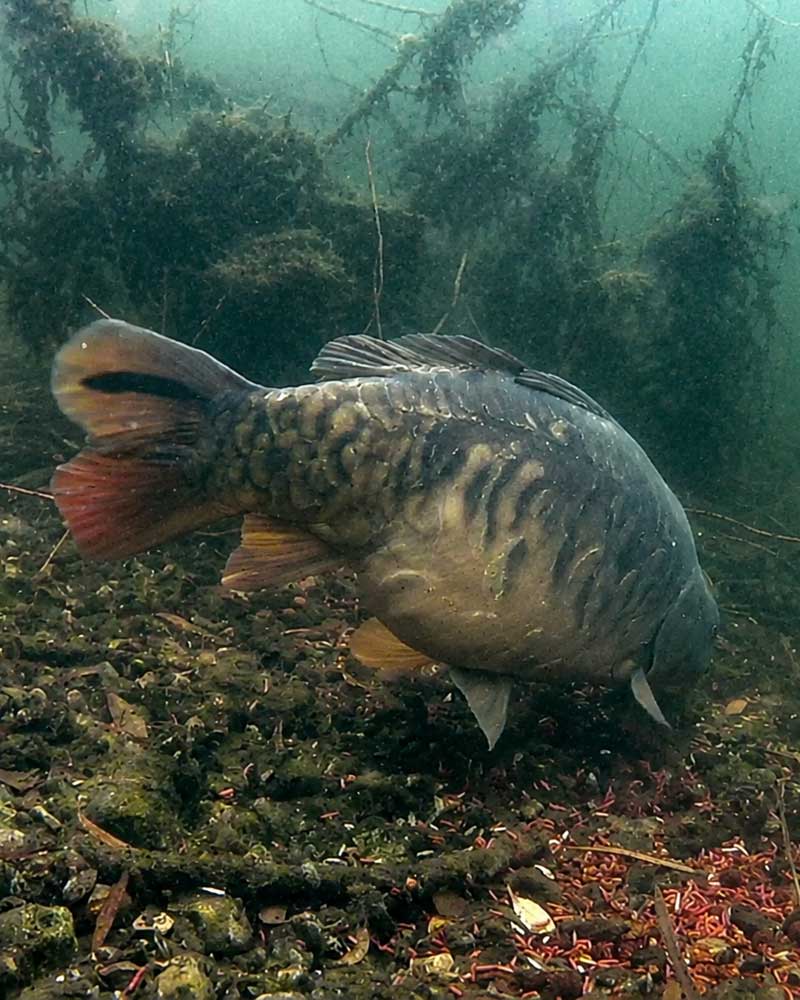
Carp often smell your bait long before they see it. Dissolved attractants create a trail in the water that spreads with undertow, temperature and wind. At the same time, scent is only the first step. Whether a carp actually eats the bait is decided by taste and palatability in the mouth. A bait can smell strong and still be rejected if it feels unnatural once sampled.
The term fishing attractants covers a wide range of products: flavours, liquids, dips, soaks, powders, particle additives, groundbait additives and natural extracts that are designed to draw fish to a hookbait or feeding area. In carp fishing, the effect depends heavily on solubility, dosage, season and bait type.
What does attractant mean in fishing?
An attractant is a substance that fish detect through smell or taste and that can lead them to a bait or feeding area. In fishing, attractants are mixed into groundbait, applied to hookbaits, added to particles, used in PVA mixes or applied as a liquid, dip or soak.
In shops and bait ranges, terms such as attractant, flavour, liquid, dip, soak, glug or scent are often used in a similar way. The important distinction is practical: a flavour is usually an aroma profile, a liquid is a fluid format and a dip is a concentrated application directly around the hookbait. The goal is always similar: the fish should find the bait faster, stay longer on the baited spot or accept the bait in the mouth.
Feeding stimulant: activates feeding behaviour when the fish is close to the bait or feeding area.
Palatability trigger: helps decide in the mouth whether the carp swallows or rejects the bait.
Which scent attracts carp?
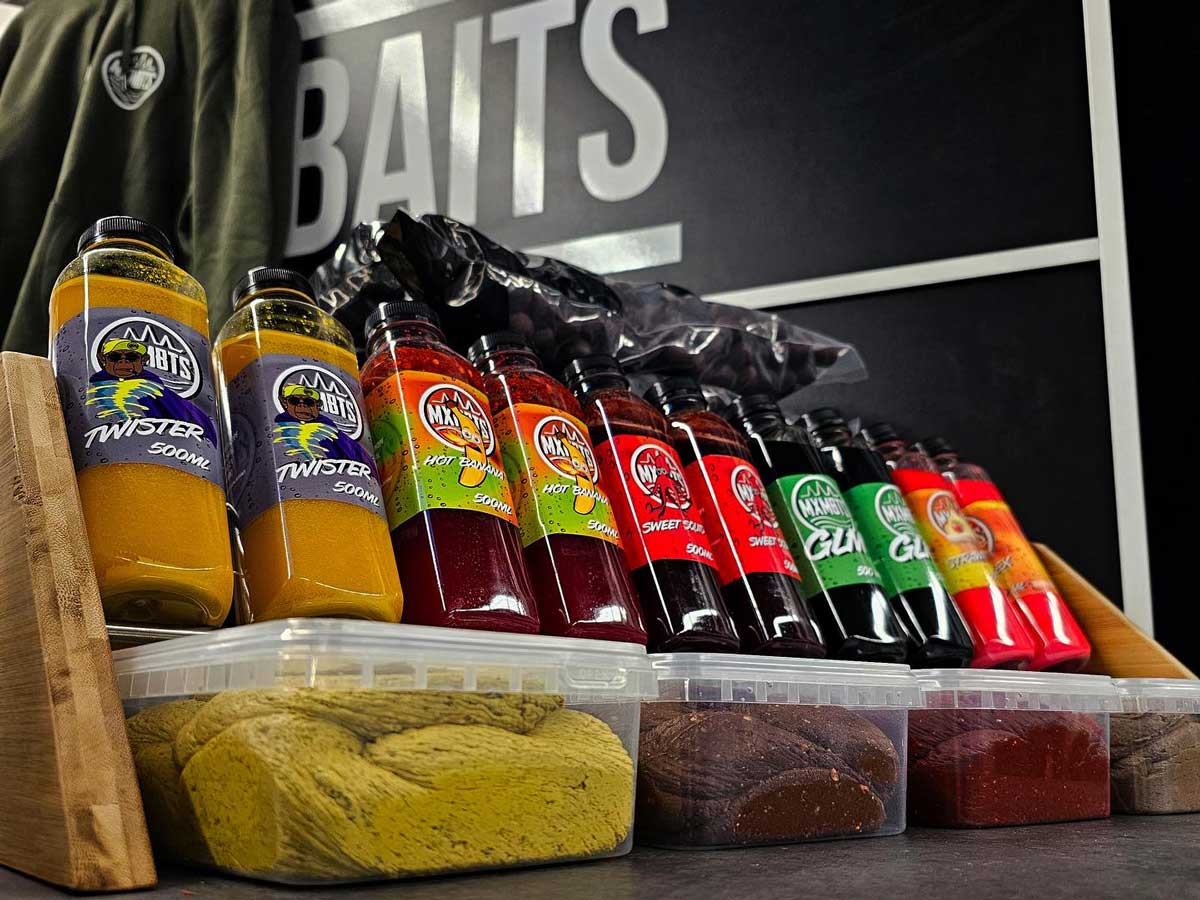
Carp are adaptable coarse fish and react to many different scents. There is no single smell that works everywhere and at all times. In practice, however, clear patterns appear: warm water often favours sweet and fruity flavours, while cold water often needs stronger, more savoury and natural signals. On heavily pressured venues, natural attractants often work more consistently than loud standard flavours.
Which attractants work by season?
| Situation | Flavours and attractants | Why they work |
|---|---|---|
| Summer warm water |
Vanilla · Strawberry · Pineapple · Caramel · Sweetcorn · Peach · Coconut · Molasses | Carp are active, feed more often and sweet flavours spread quickly in warm water |
| Autumn falling temperatures |
Krill · Fishmeal · Liver · Robin Red · Chilli · Cinnamon · spicy and protein-rich mixes | Carp build energy reserves and often respond strongly to nutritious, powerful food signals |
| Winter cold water |
Garlic · Mussel · Krill · Scopex · Butyric acid · Amino acids · Betaine | Cold water slows diffusion, so soluble and intense signals become important |
| Spring rising temperatures |
Worm · Krill · Mussel · Liver · Garlic · slightly sweet transitions such as Scopex or caramel | After the cold period, carp search for familiar natural food signals |
| All year | Hemp · Molasses · Betaine · Free amino acids · Worm extract · Mussel extract · Crayfish extract | Natural food signals often work more steadily across different venues than scent alone |
| Pressured venues | Natural extracts · subtle dosage · washed-out visuals · venue-specific custom mixes | Carp may associate loud standard flavours with danger on heavily fished waters |
Does garlic attract carp?
Yes, garlic can strongly catch the attention of carp, especially in cold water and difficult conditions. This is not because carp “like” garlic in the human sense, but because of its intense sulphur-containing compounds. These signals can stand out in the water and turn a bait into a clear search signal.
Garlic works especially well in small amounts, in dips, pop-ups, Method Feeder mixes, groundbait and cold-season baiting. Too much garlic can feel unnatural. In clear water and around cautious fish, clean dosage matters more than maximum intensity.
How do you attract carp reliably?
The most reliable way to attract carp is a combination of a baited spot, soluble attractants, natural food and clean presentation. A single dip can help, but it does not replace a suitable bait or a well-built feeding area. The key is that the fish detects the signal, trusts it and stays on the spot.
- Fast attraction: liquids, dips, soaks, PVA mixes, crushed boilies, pellets and small particles
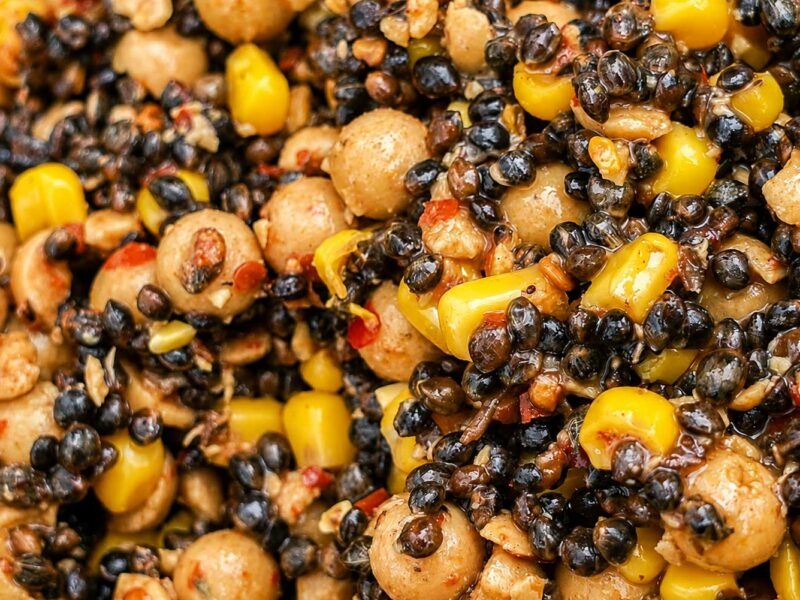
- Longer feeding activity: hemp, sweetcorn, tiger nuts, pellets, feed boilies, groundbait and particle mix
- Palatability trigger: worm, mussel, crayfish, krill or liver extract, free amino acids and betaine
- Confidence: consistent, adapted baiting instead of constantly changing flavour bombs
The most important rule: test every new venue. What pulls carp reliably on one lake may be almost ignored on another. Water temperature, fish stock, natural food, angling pressure and baiting history decide which attractant really works.
Which natural attractants do carp recognise from nature?
Natural attractants have one big advantage: they resemble real food. Worms, mussels, crayfish, larvae, snails, plant remains and seeds are part of the natural diet of carp. Their amino acid profiles and feeding signals are familiar to the fish. That is why natural attractants often work especially well on heavily pressured venues.
- Hemp: oily, nutty and well known from particle fishing. Hemp often keeps carp on the spot for a long time.
- Molasses: sweet, thick and highly water-soluble. Very useful for particles, groundbait, pellets and as a natural dip.
- Garlic: intense sulphide aroma, especially interesting in cold water and with cautious fish.
- Crayfish extract and mussel: natural amino acids, palatability and protein-rich food signals.
- Worm extract: familiar bottom-food signal, especially interesting in spring and on natural venues.
- Liver and krill: powerful protein-rich attractants with strong feeding appeal, especially in boilies, liquids and groundbait.
What role do synthetic flavours play?
Synthetic flavours give many baits their typical smell: fruit, Scopex, milk, nut, spices, garlic, cream, caramel or Monster Crab. They can create strong long-range attraction and make a bait stand out quickly. Their weakness is often taste. A bait can smell strong but still fail to convince the carp in the mouth.
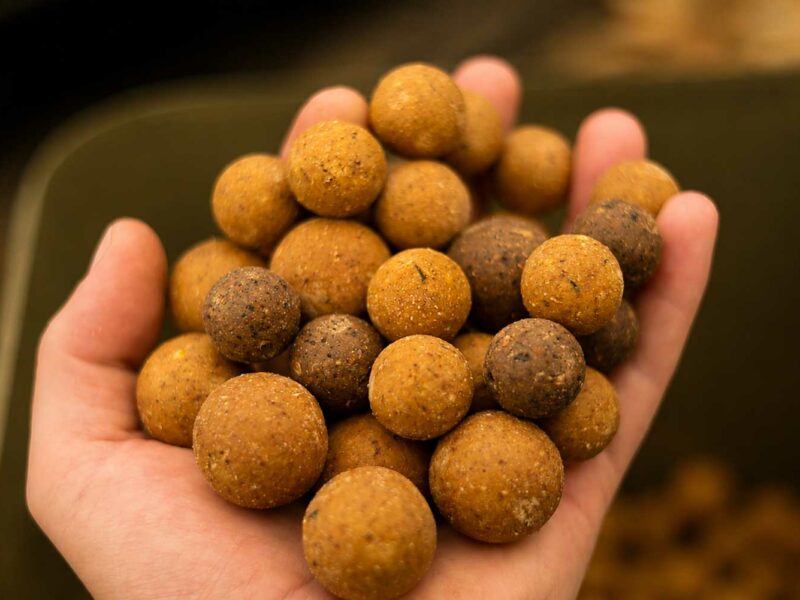
That is why synthetic flavours should not carry the entire attraction in carp fishing. They are strongest when combined with real feeding signals: amino acids, betaine, molasses, fish hydrolysate, krill, liver, mussel, worm, groundbait or fermented liquids.
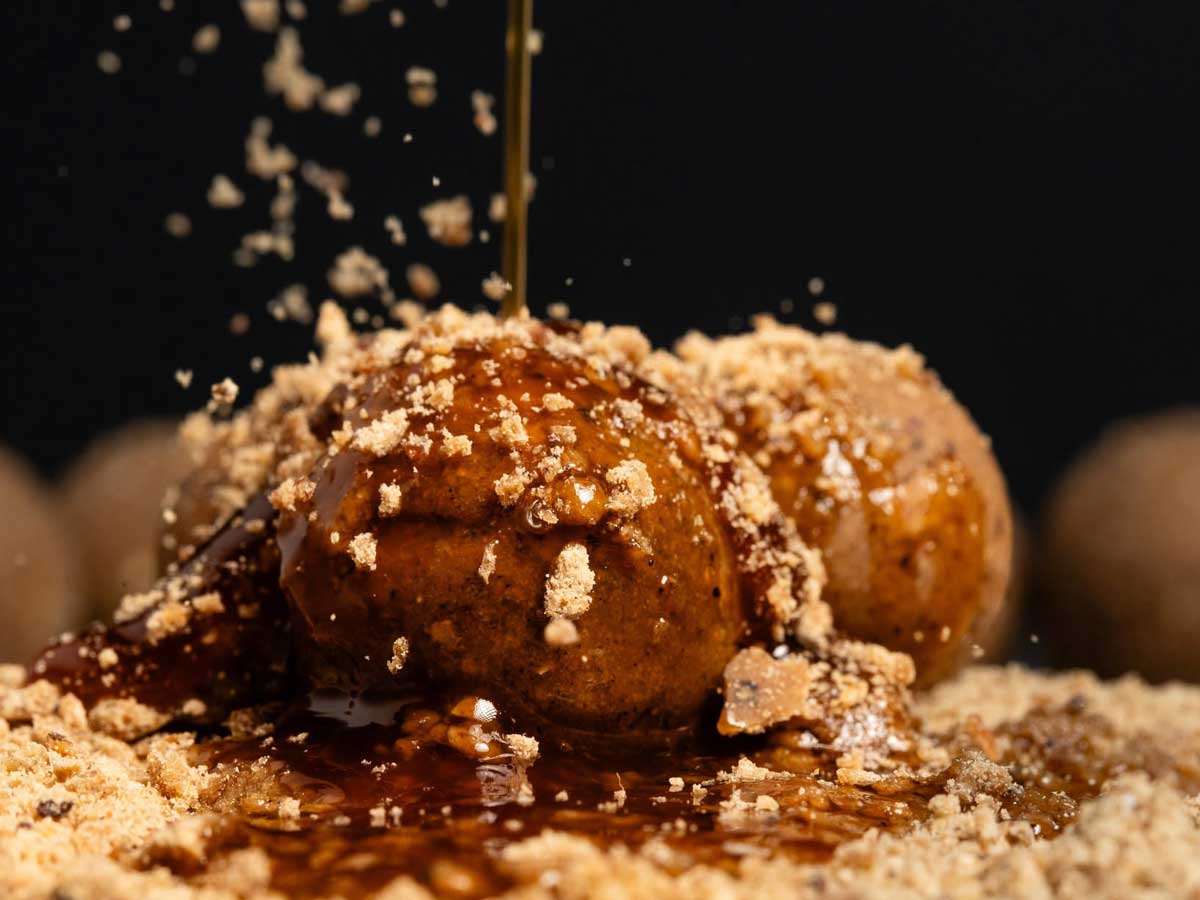
What is the difference between a liquid, dip, soak and powder dip?
| Form | Use and effect | When to use it |
|---|---|---|
| Liquid | fluid attractant for groundbait, boilie mix, pellets, particles or spod mix · spreads evenly through the feed | baited spot, Method Feeder, spod mix, particle mix |
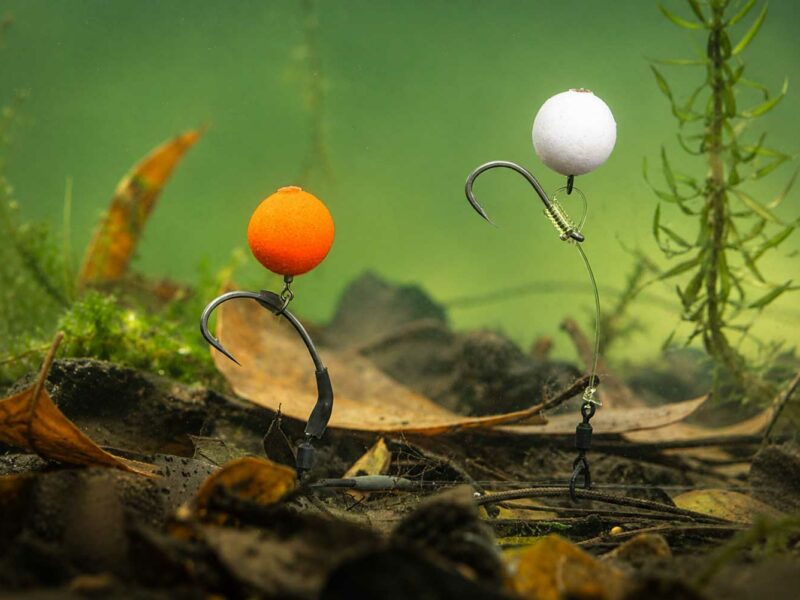
| Dip | concentrated attractant directly around the hookbait · fast and intense effect | pop-up, wafter, boilie, sweetcorn or tiger nut shortly before casting |
| Soak | soaking liquid · bait absorbs attractant over several hours or days | freezer baits, feed boilies, longer sessions |
| Powder dip | powder sticks to the damp bait and creates a local attraction cloud as it dissolves | hookbaits, PVA bags, Method Feeder |
| Bait smoke | thick paste around the bait · visible and highly concentrated attraction cloud | single hookbait, spot fishing, difficult sessions |
How should carp attractants be dosed?
On dosage: too little attractant may have almost no effect. Too much can feel unnatural and slow fish down instead of activating them. Especially with intense substances such as butyric acid, garlic, DMPT or highly concentrated dips, clean dosage matters more than maximum quantity. Clear water often needs less; coloured water can tolerate stronger signals.
What is the best groundbait for carp?
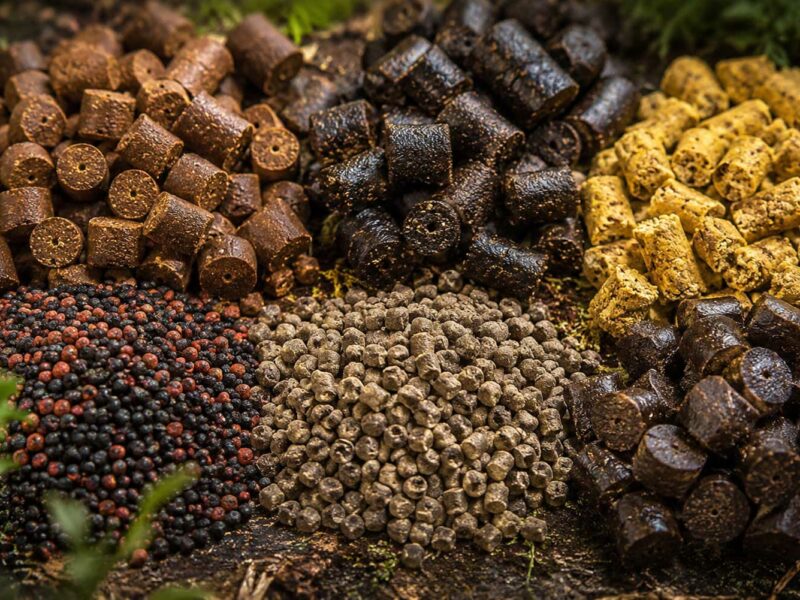
The best groundbait for carp is a mix that releases attraction quickly while still offering enough food value to keep carp on the spot. For short sessions, fine active groundbait, crushed boilies, pellets, hemp, sweetcorn, molasses, liquid and amino additives are strong. For longer sessions, particles, pellets, feed boilies and nutritious mixes work better.
| Situation | Groundbait for carp | Attraction logic |
|---|---|---|
| Short session | fine groundbait · crushed boilies · pellets · liquid · sweetcorn · hemp | quick cloud, fast food signals, little saturation |
| Overnight session | particle mix · pellets · feed boilies · tiger nuts · hemp · molasses | keep fish on the spot longer and build confidence |
| Winter | small amounts · soluble liquids · amino acids · betaine · fine particles | little feed, high solubility, clear signals |
| Summer | pellets · sweetcorn · hemp · boilie crumb · sweet liquids · fruit flavours | fast diffusion, active fish, regular feed intake |
Why are betaine, amino acids and DMPT so strong?
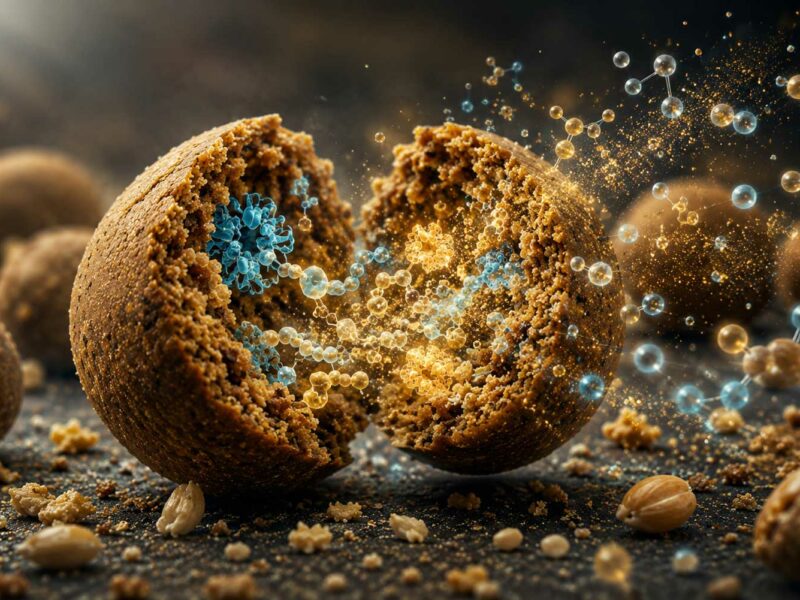
Good carp attractants are built on biochemistry. Free amino acids are interesting because they are quickly water-soluble and can work through both smell and taste. Betaine is a natural feed attractant that has been used in fish nutrition for decades. DMPT is a sulphur-containing compound that is known as a very strong fish attractant and is used sparingly, especially in pop-ups, dips and hookbaits.
For most carp anglers, the practical rule is enough: a good attractant mix combines fast long-range attraction, real food signals and credible palatability in the mouth. Anyone who wants to go deeper into betaine, DMPT, free amino acids and boilie recipes can read the full scientific explanation in the specialist article: Boilie Attractants – betaine, DMPT and amino acids explained scientifically.
Which attractants can you compare directly at Carp Austria?
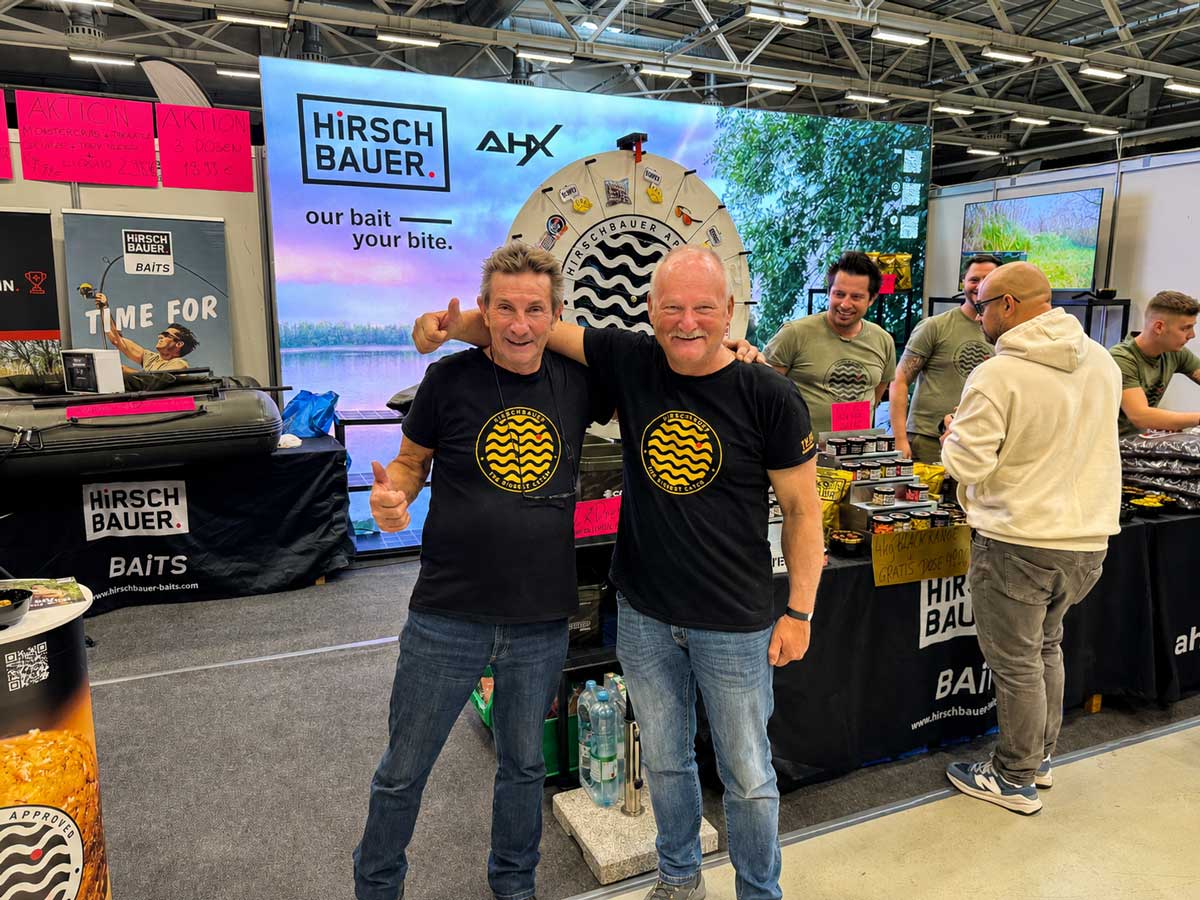
Which attractant suits which venue? Which liquids work in cold water? When does garlic make sense, and when are vanilla, krill, mussel, molasses or betaine the better choice? No product photo answers these questions as well as direct comparison on site.
At Carp Austria you will find attractants for carp and coarse fishing: boilies, pop-ups, wafters, liquids, dips, soaks, powder dips, pellets, groundbait, particles and modern attractant systems. You can smell products, compare them, speak to manufacturers and find out directly which combination fits your venue, season and fishing style.
Direct comparison makes a real difference with attractants. You can smell immediately whether a liquid is only strongly flavoured or whether it contains genuine water-soluble food signals such as amino acids, liver, mussel, krill, crayfish, molasses or fermented ingredients. You can also find fair offers and often buy bait, attractants and accessories directly on site.
Which manufacturers and bait brands show attractants at Carp Austria?
Attractants become especially interesting when you can compare them directly with boilies, pop-ups, wafters, groundbait and particles. That is why it is worth looking at the boilie brands and bait manufacturers at Carp Austria. There you will find brands, producers and bait specialists presenting their bait systems, liquids, dips, hookbaits, feed boilies and fair offers directly.
For carp anglers, that is a clear advantage: you do not only see individual bottles or tubs, but understand how attractant, hookbait, feed boilie, particles and groundbait work together. That is how a strong scent becomes a real bait strategy.
→ Discover boilie brands & bait manufacturers at Carp Austria
→ Get tickets for Carp Austria
→ Boilie Attractants – betaine, DMPT and amino acids explained scientifically
→ Boilies – ingredients, attractant logic and bait making
→ Carp bait – all bait types compared
→ Feed boilies – what really belongs in good feed bait