Why England shaped modern carp fishing
Modern carp fishing has many roots, but few countries have shaped carp fishing as strongly as England. Redmire Pool, Richard Walker, Chris Yates, Jack Hilton, Rod Hutchinson, Kevin Maddocks, Fred Wilton, Kevin Nash, The Carp Society, the Hair Rig, boilies and particle baits all stand for a development that is still felt across the global carp scene today.
What many carp anglers now take for granted – specialist bait development, modern rigs, carp rods, bivvies, rod pods, bite alarms, particle baits, boilies and dedicated carp tackle systems – did not appear overnight. Many of these ideas were tested, discussed, refined and made famous on English waters.
- The roots of modern carp methods such as the Hair Rig and refined rig presentation
- The development and spread of the first boilies and HNV baits
- Redmire Pool as one of the most important waters in carp-fishing history
- The influence of legendary anglers such as Richard Walker, Chris Yates, Rod Hutchinson and Kevin Maddocks
- The foundation for many tactics, baits and tackle systems used worldwide today
Why is England so important for carp fishing?
England is one of the key birthplaces of modern carp fishing. Many developments that are now global standards were strongly shaped there: the Hair Rig, boilies, particle baits, specialist carp books, carp magazines, tackle innovation and the culture around big carp.
Where it all began: the development of carp fishing in England
The roots of carp fishing in the United Kingdom go back a long way. Carp were not first seen as a specialist sport fish, but as a valuable food source. Over the centuries, this gradually developed into a distinct branch of angling – and later into one of the most influential movements in European fishing.
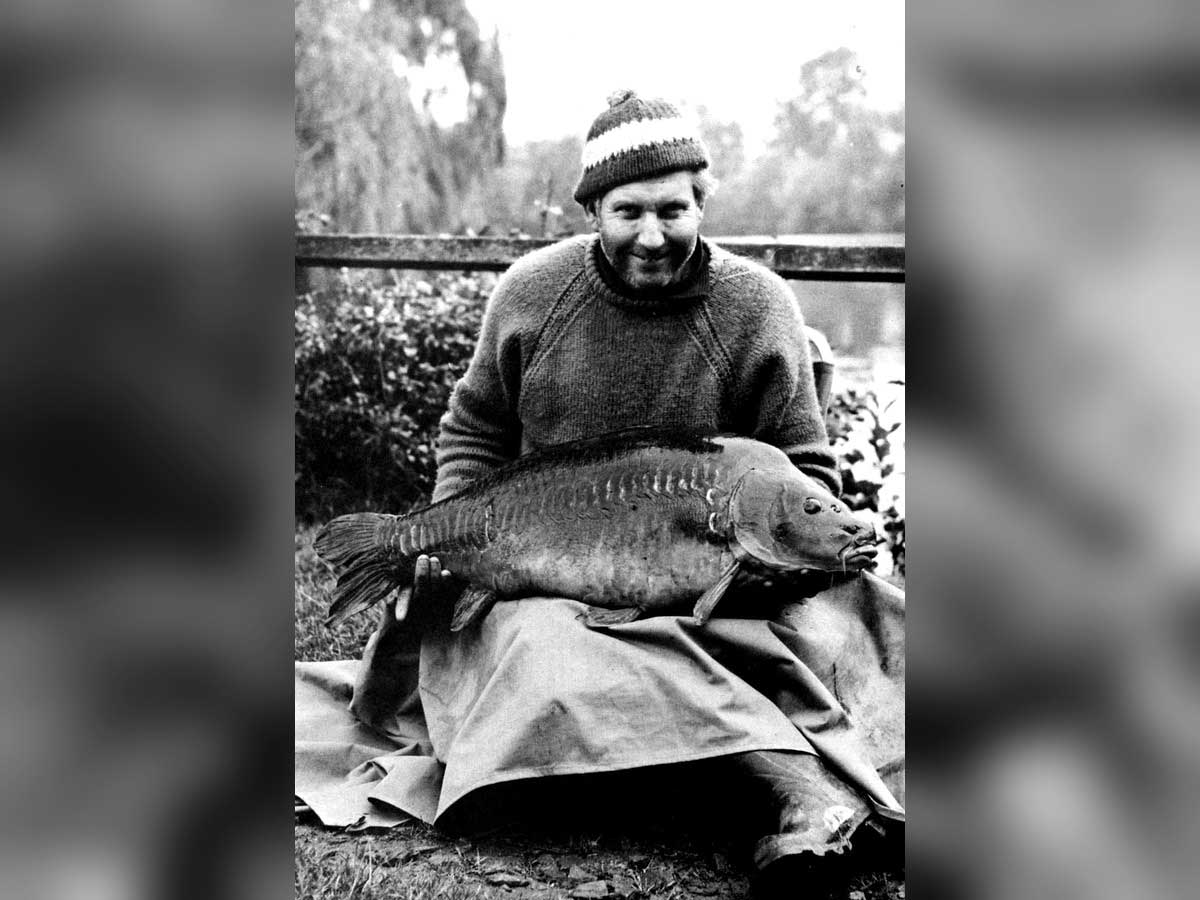
Carp were present in England as early as the late 14th or early 15th century. Later, they were deliberately reared in ponds and lakes. What had originally been connected with food production and pond management gradually became a genuine angling interest: carp were no longer viewed only as a table fish, but as a demanding opponent on rod and line.
That path was anything but obvious. At the beginning of the 20th century, many anglers still considered carp fishing slow, difficult and unrewarding. Yet that difficulty later became exactly what fascinated specialists. Carp were cautious, powerful, long-lived and hard to predict – the perfect foundation for a new form of targeted big-fish angling.
The early pioneers: Otto Overbeck, Cheshunt and the first records
One of the early pioneers of British carp fishing was Otto Overbeck. He studied carp behaviour intensively, developed specialist baits and brought more observation, logic and structure into a style of angling that had long been shaped by assumptions. His work at Croxby Pond made him one of the important names in early carp-fishing history.
Other waters also began to matter. Cheshunt Reservoir became a known carp water in the first decades of the 20th century. Fish caught there were exceptional for the period. At the same time, reports of large carp found dead or taken in nets showed the growth potential that existed in British waters.
Mapperley Reservoir: Albert Buckley and the 1930 record
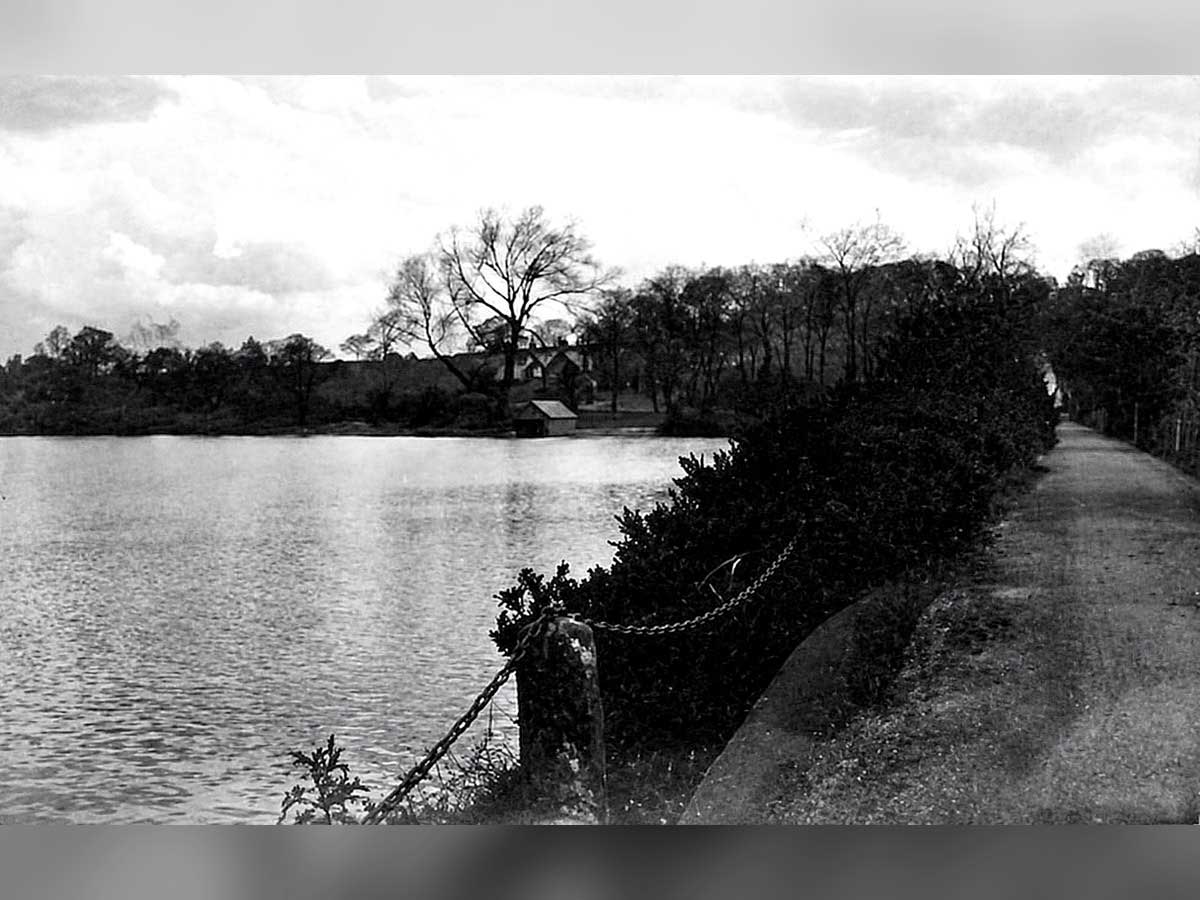
A major milestone followed in 1930 at Mapperley Reservoir in Nottingham. Albert Buckley caught several carp there, including a fish of 26 lb. By today’s standards that weight may not sound extreme, but at the time it was sensational. It proved that carp in English waters could grow much larger than many anglers had believed.
Buckley’s captures had a powerful effect. They inspired other anglers to take carp more seriously. Step by step, isolated accidental captures turned into deliberate specialisation. This is where the shift from occasional carp captures to targeted carp fishing really begins.
Dagenham Lake: Essex becomes a centre of big carp fishing
During the 1940s and early 1950s, Dagenham Lake in Essex moved into the spotlight. The water produced strong fish again and again and became a meeting point for committed carp anglers. Names such as Harry Evans, Arthur Horwood, Frank Scott, George Draper and Harry Grief are closely linked with this period.
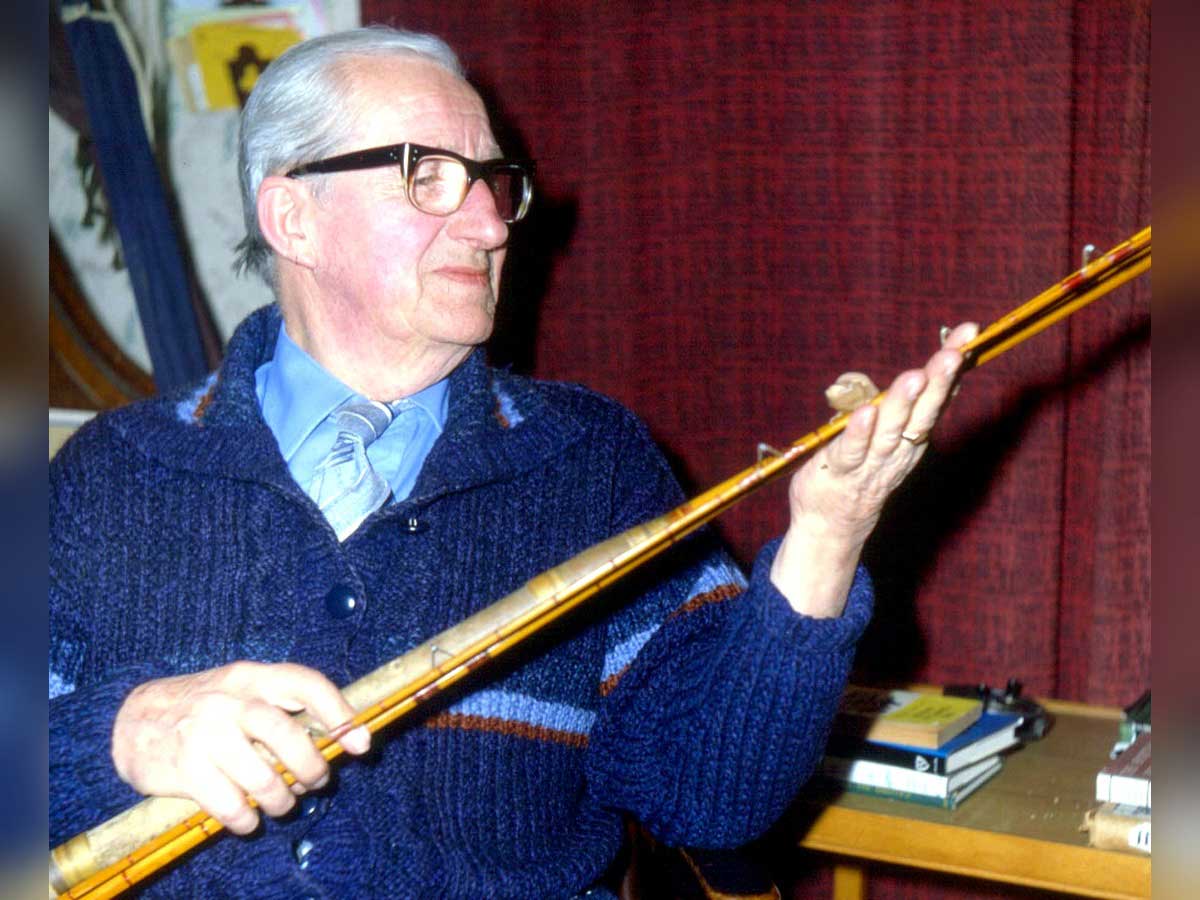
Dagenham showed that large carp did not only exist in theory. They could be caught deliberately on rod and line. For the carp scene at the time, that was decisive. Belief in big fish grew, and with it the willingness to develop time, technique and bait further.
But Dagenham would soon be overshadowed by a small water in western England: Redmire Pool. Few lakes have influenced the history of carp fishing so deeply.
Redmire Pool: England’s most legendary carp water
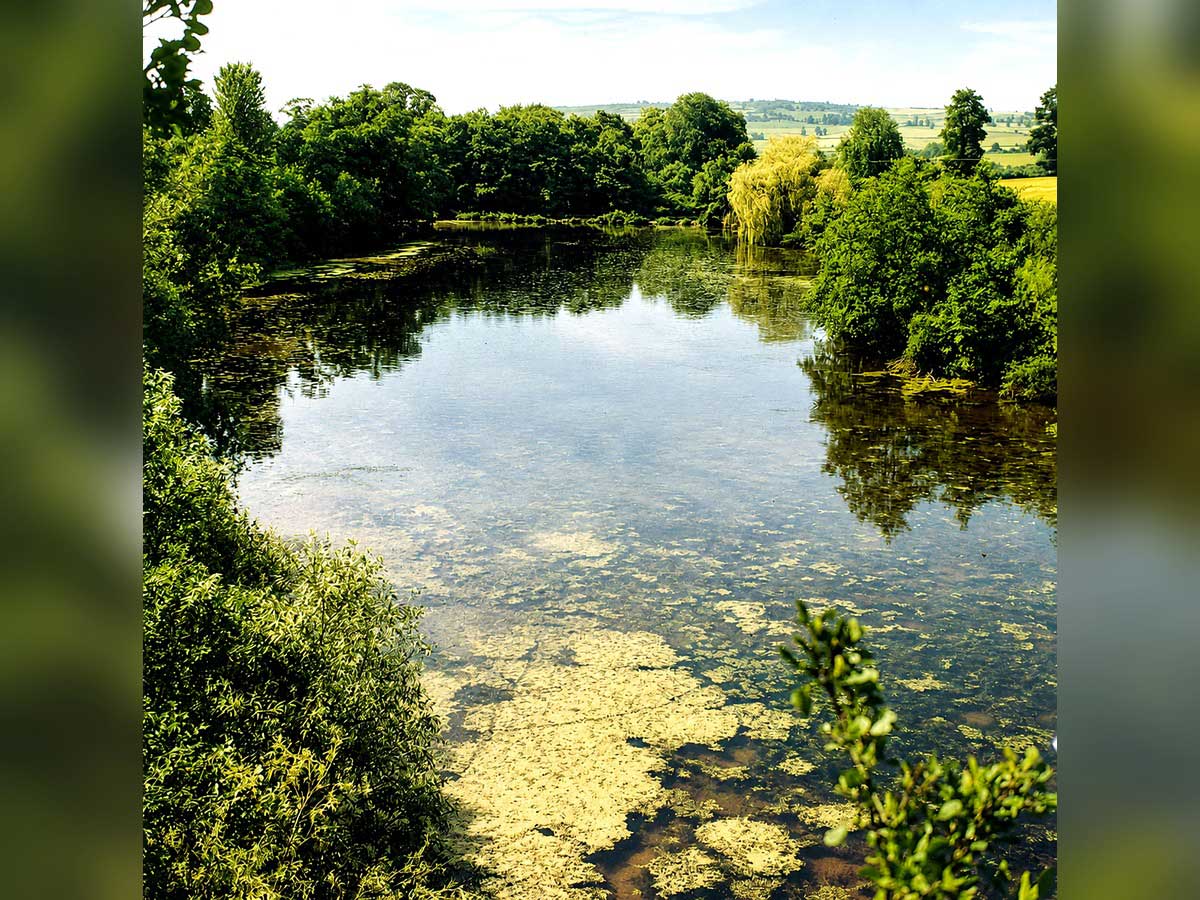
Redmire Pool was a small, unassuming water near the Welsh border. Yet this was where modern carp fishing took a new direction. The pool was stocked with young carp in 1934, and those fish developed exceptionally well in its rich environment. Less than twenty years later, they produced captures that shook the British angling world.
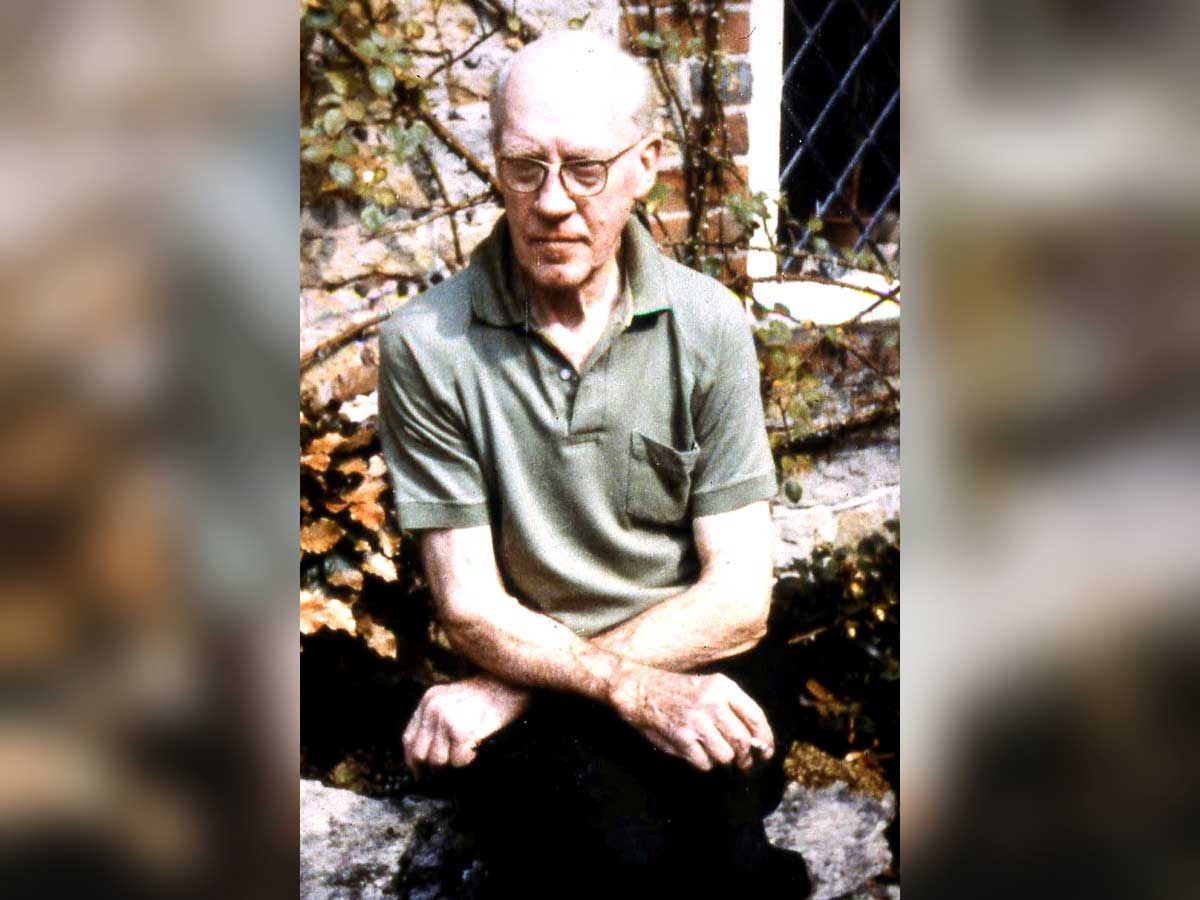
Many of these carp were associated with Donald Leney and the Surrey Trout Farm. In carp-fishing circles, “Leney carp” remains a recognised term when people talk about historic stocking strains. Redmire therefore became more than a water. It became a symbol: of growth, mystery, big fish and the beginning of modern carp obsession.
Bob Richards and the first 30-pounder
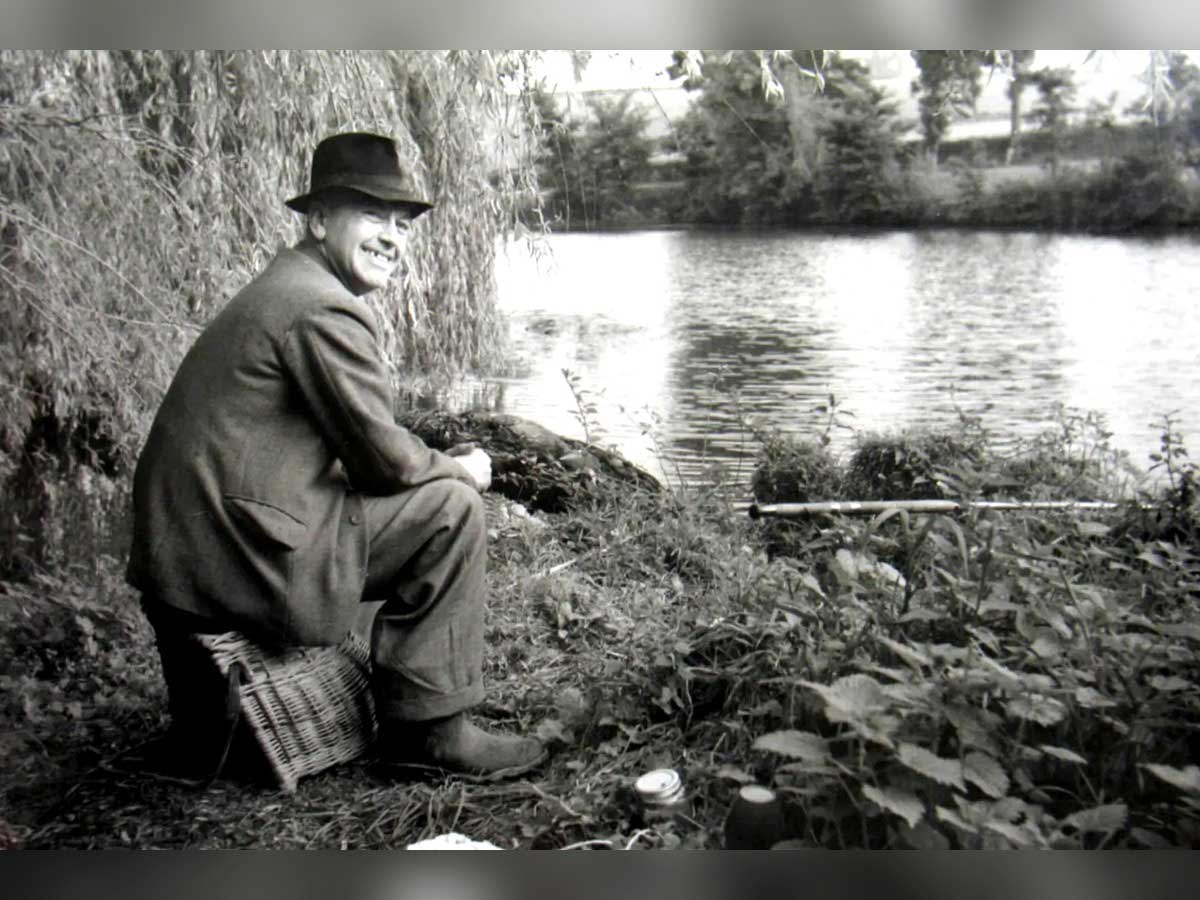
In 1951, Bob Richards caught a fish that would permanently change carp fishing in England. At Redmire Pool he landed a 31¼ lb mirror carp – one of the first officially recognised British carp over 30 lb. For that period, it was a sensation.
The fish drew the attention of Richard Walker, one of the most important anglers of his time. Walker immediately understood that Redmire Pool was not an ordinary water. The following years would turn the small pool into a myth.
Richard Walker and the 44 lb carp from Redmire
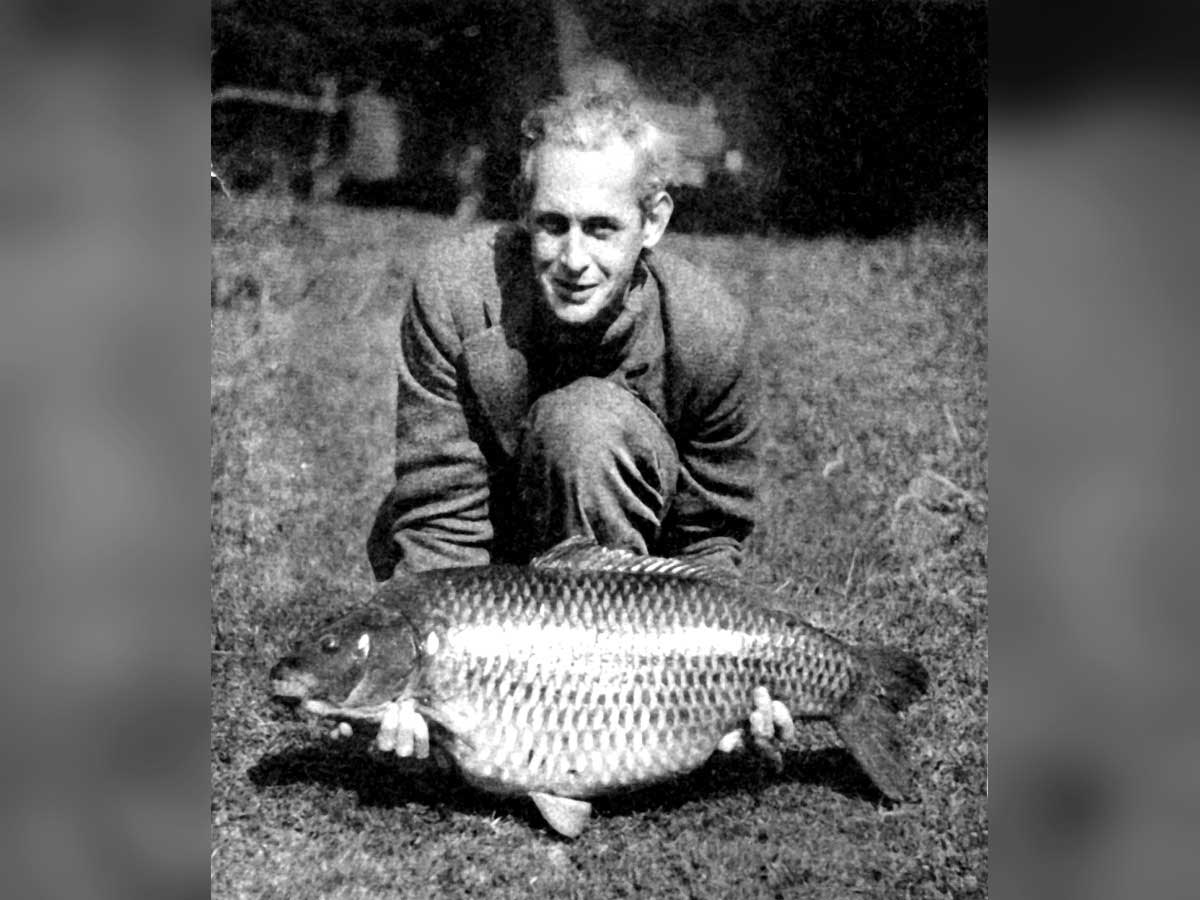
On 13 September 1952, Richard Walker, with essential help from Pete Thomas, caught a carp of 44 lb. Many anglers could barely believe that a carp in England could reach that size. The capture became nationally known and gave carp fishing a new level of significance.
Walker later arranged for the fish to be taken to London Zoo, where countless people came to see it. The carp became a symbol of what was possible. From then on, Redmire Pool was no longer just a water; it was a dream destination for big-carp anglers.
In the years that followed, other anglers also caught large carp from Redmire. Names such as Maurice Ingham, Eddie Price and later Chris Yates became linked with the pool. The stories of captured and uncaptured giant carp turned Redmire into a legend.
The Redmire monsters and the magic of big carp
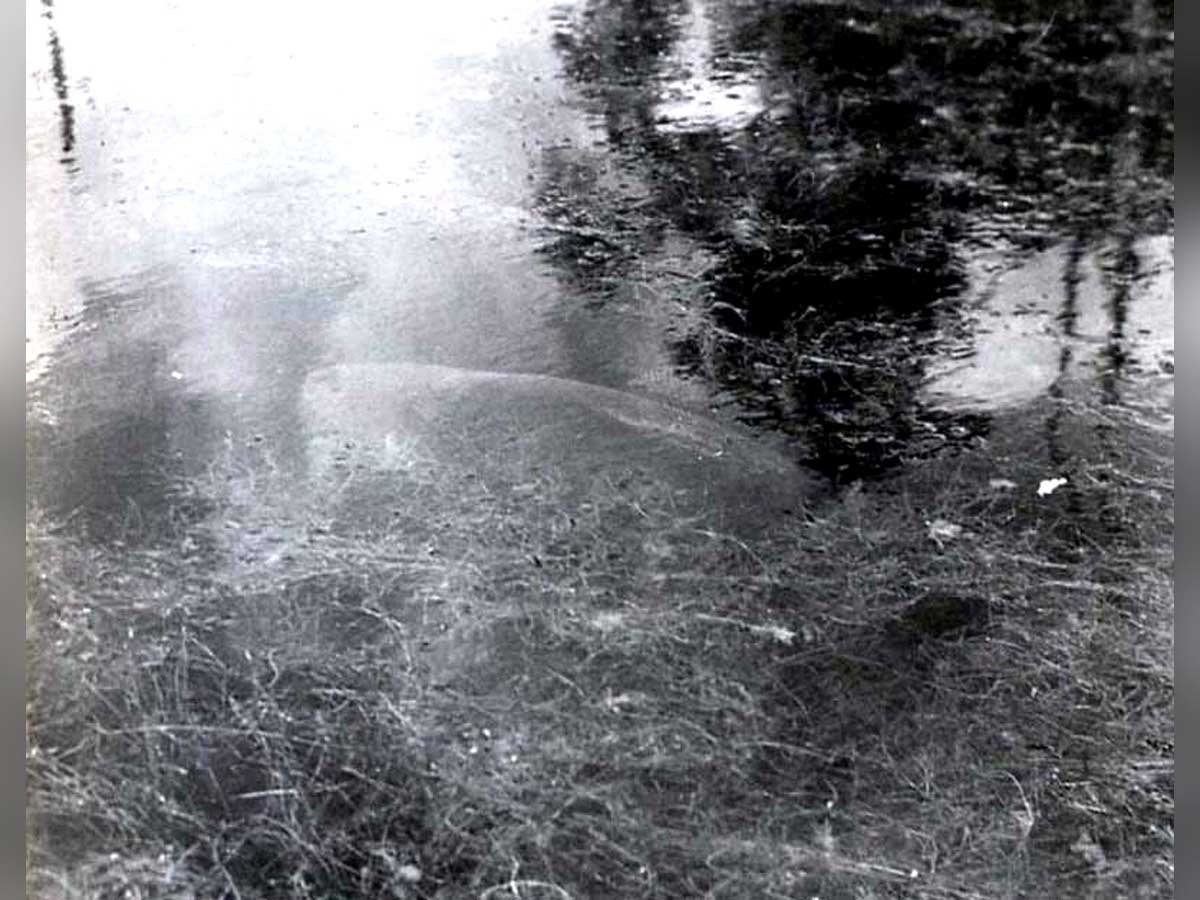
Redmire did not live only from the fish that were caught. Almost as important were the stories of huge carp that were seen but never landed. That mixture of proven records, sightings, rumours and longing made the pool so special.
For modern carp anglers, Redmire is therefore more than history. The pool stands for one of the core ideas of carp fishing: the possibility that the next moment could bring a fish that changes everything. That fascination still runs through carp-fishing culture today.
A restart after frost and uncertainty
The severe winter of 1962/63 hit many waters in Britain hard. Redmire Pool also seemed lost at first. But by the mid-1960s it became clear that the carp had survived. New anglers, new energy and new approaches arrived at the lake.
From 1966 onwards, Redmire was fished seriously again. Young, motivated carp anglers brought fresh ideas with them. New baits, different presentations and more observation led to impressive captures. This period laid the foundations for a new generation of carp anglers.
Jack Hilton, Rod Hutchinson and Chris Yates: new ideas at Redmire Pool
Jack Hilton caught a 35 lb mirror carp from Redmire in 1967. The pool shaped him so deeply that he remained closely connected with it. From 1968 he ran a syndicate on the water. During this period, baits such as maggots, sultanas and especially sweetcorn became increasingly important.
In 1972, Rod Hutchinson and Chris Yates arrived at the pool. Both brought a completely fresh approach. Particle baits such as hemp, beans, chickpeas and sweetcorn played a major role. What now feels like a normal particle strategy was a real breakthrough at the time.
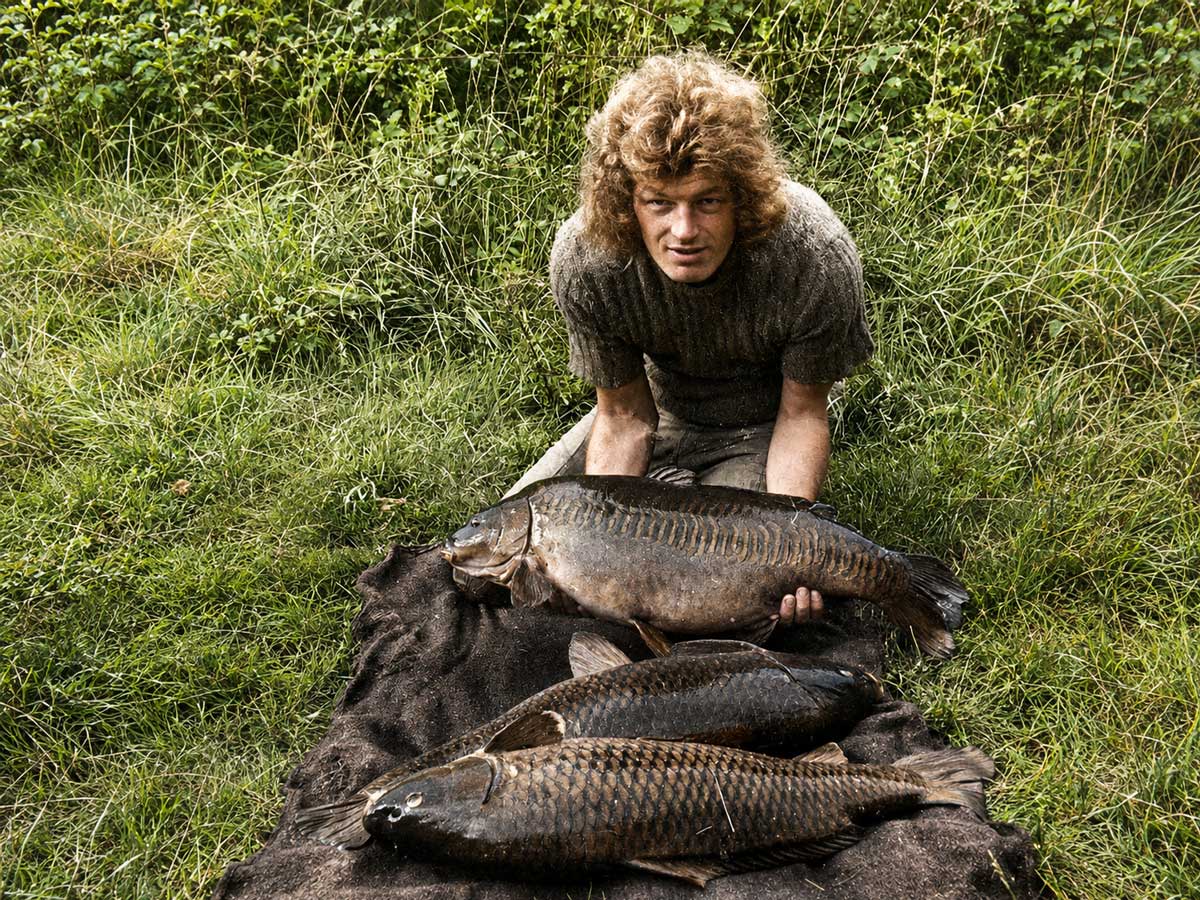
The particle-bait period was hugely important for modern carp fishing. It showed that carp could be conditioned to feeding areas and that baiting strategy, quantity, rhythm and observation mattered. Many of today’s baiting approaches have historical roots in this phase.
Boilies and Fred Wilton: the bait revolution begins
In the late 1970s, boilies became increasingly important at Redmire Pool. High-protein baits and later amino-acid-based mixes showed the potential of purpose-built carp baits.
Fred Wilton is one of the key names behind the boilie revolution. His ideas on high nutritional value ingredients – known as the HNV concept – fundamentally changed bait development. Boilies were no longer seen as simple paste balls, but as carefully designed food items that carp could actively seek out.

This made England a birthplace of the bait culture that now exists worldwide. Boilies, pop-ups, particle baits, liquids, pellets and complex groundbait mixes are all standard parts of modern carp fishing. Many of these developments build on the English pioneer years.
Chris Yates and Britain’s first 50 lb carp
On 16 June 1980, Chris Yates made a capture that made Redmire immortal. He caught Britain’s first carp over 50 lb. After the scales were adjusted, the fish was recorded at 51½ lb.
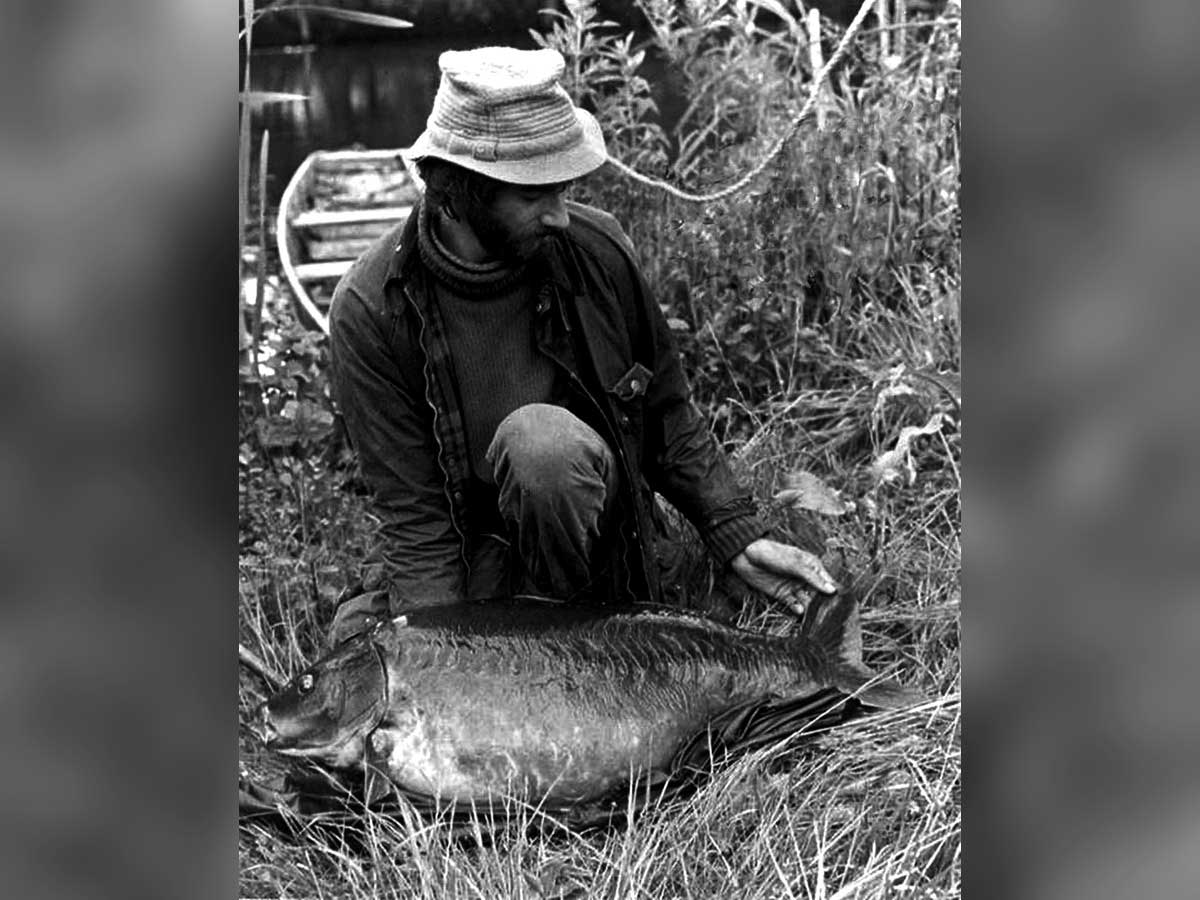
Redmire had now produced Britain’s first carp over 30 lb, 40 lb and 50 lb. For the carp scene, that was more than a statistic. It proved that targeted carp fishing was not just romantic dreaming, but a serious, highly developed form of angling in its own right.
The 1980s: Hair Rig, The Carp Society and modern carp culture
The 1980s brought another major surge forward. Waters such as Savay Lake and Yateley became famous, more specialist carp anglers began targeting big fish, and the scene became increasingly organised.
The birth of the Hair Rig
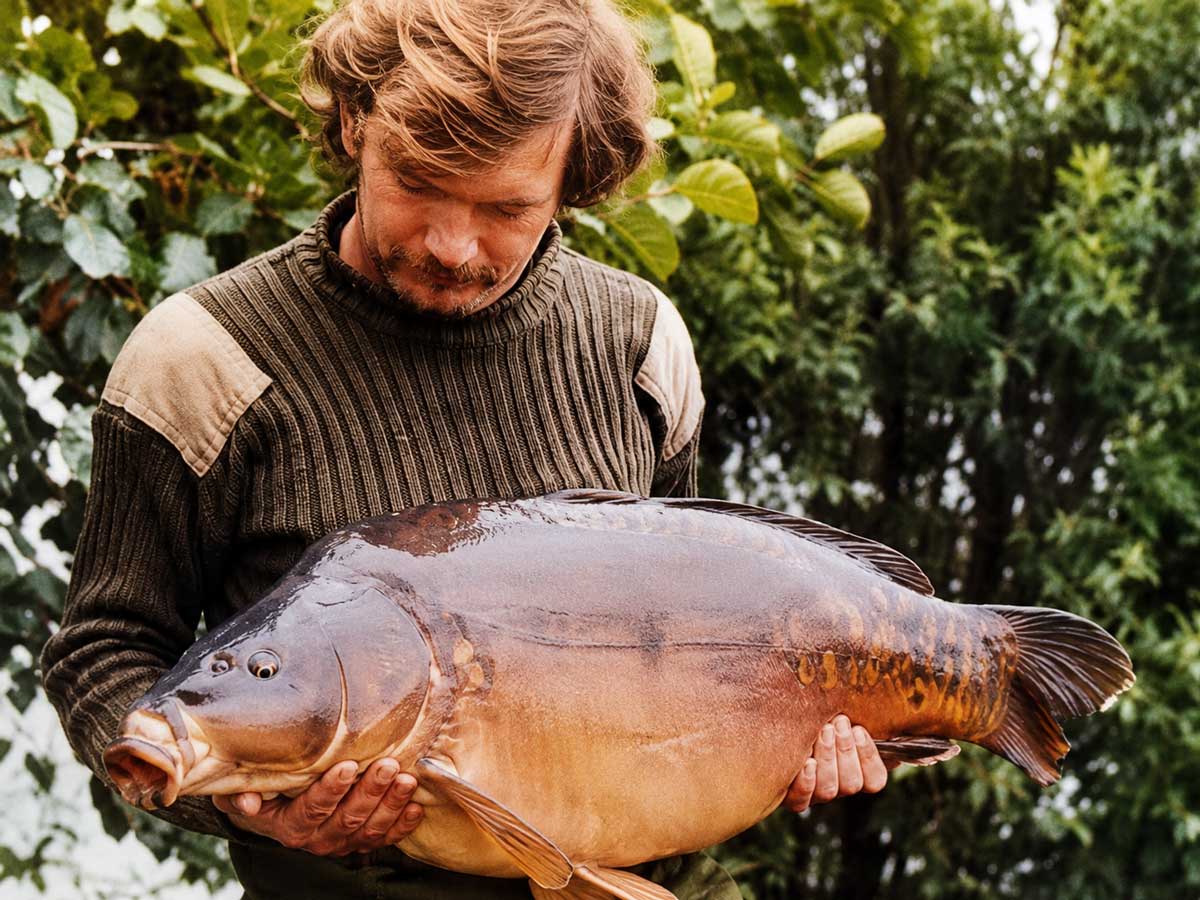
In the early 1980s, Len Middleton and Kevin Maddocks developed an idea that revolutionised carp fishing: instead of mounting the bait directly on the hook, it was attached to a fine hair behind the hook. The Hair Rig was born.
Today, the Hair Rig is almost impossible to separate from modern carp fishing. It changed bait presentation, increased hooking efficiency and became the foundation for countless modern carp rigs. Few rigs have shaped targeted carp fishing as strongly.
The Carp Society, books and magazines
With The Carp Society, the early 1980s saw the creation of an organisation that connected carp anglers, spread knowledge and gave the scene a stronger voice. At the same time, books and magazines became increasingly important. They made tactics, captures, waters and new methods accessible to a wider audience.
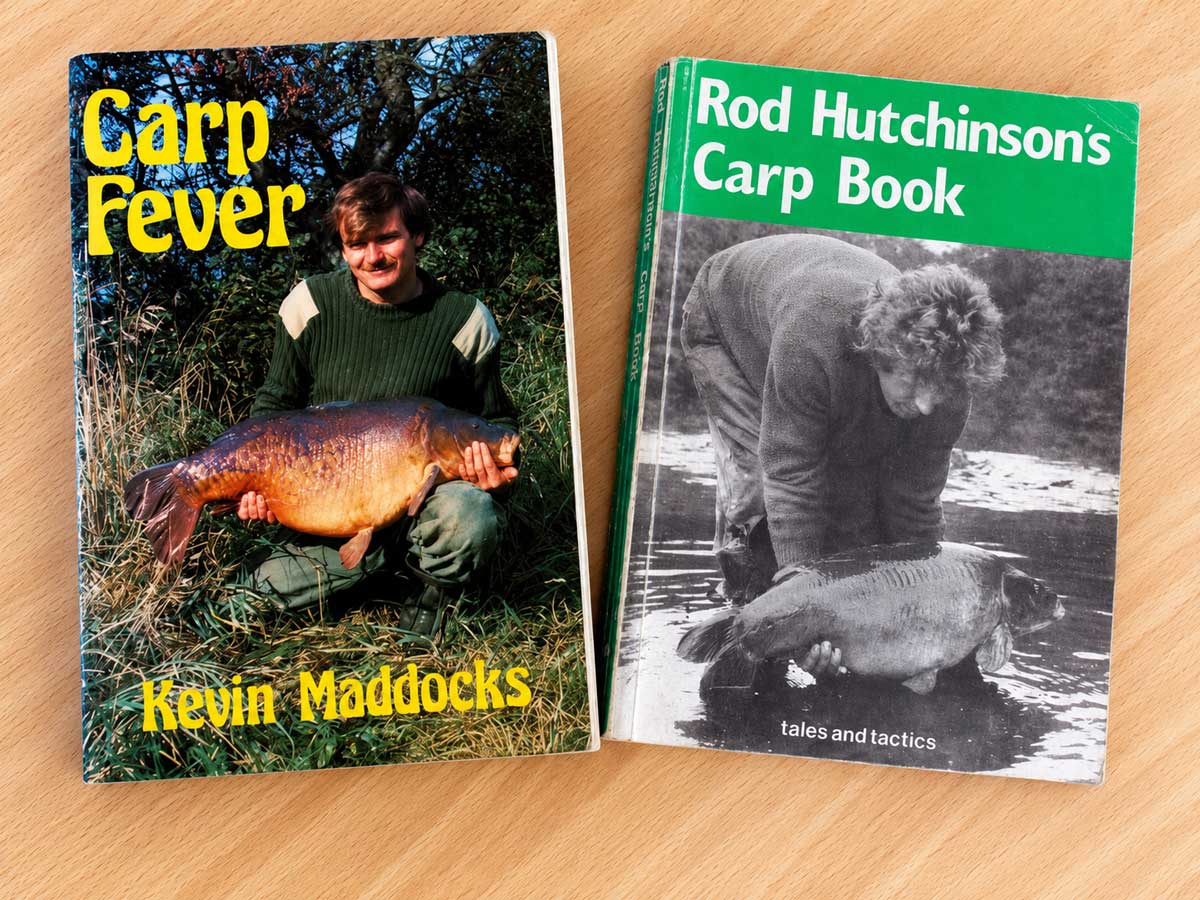
Rod Hutchinson’s Carp Book and Kevin Maddocks’ Carp Fever are still regarded as milestones. They brought new information on tackle, tactics, bait, particles, PVA, spods, throwing sticks and the mindset behind successful carp fishing.
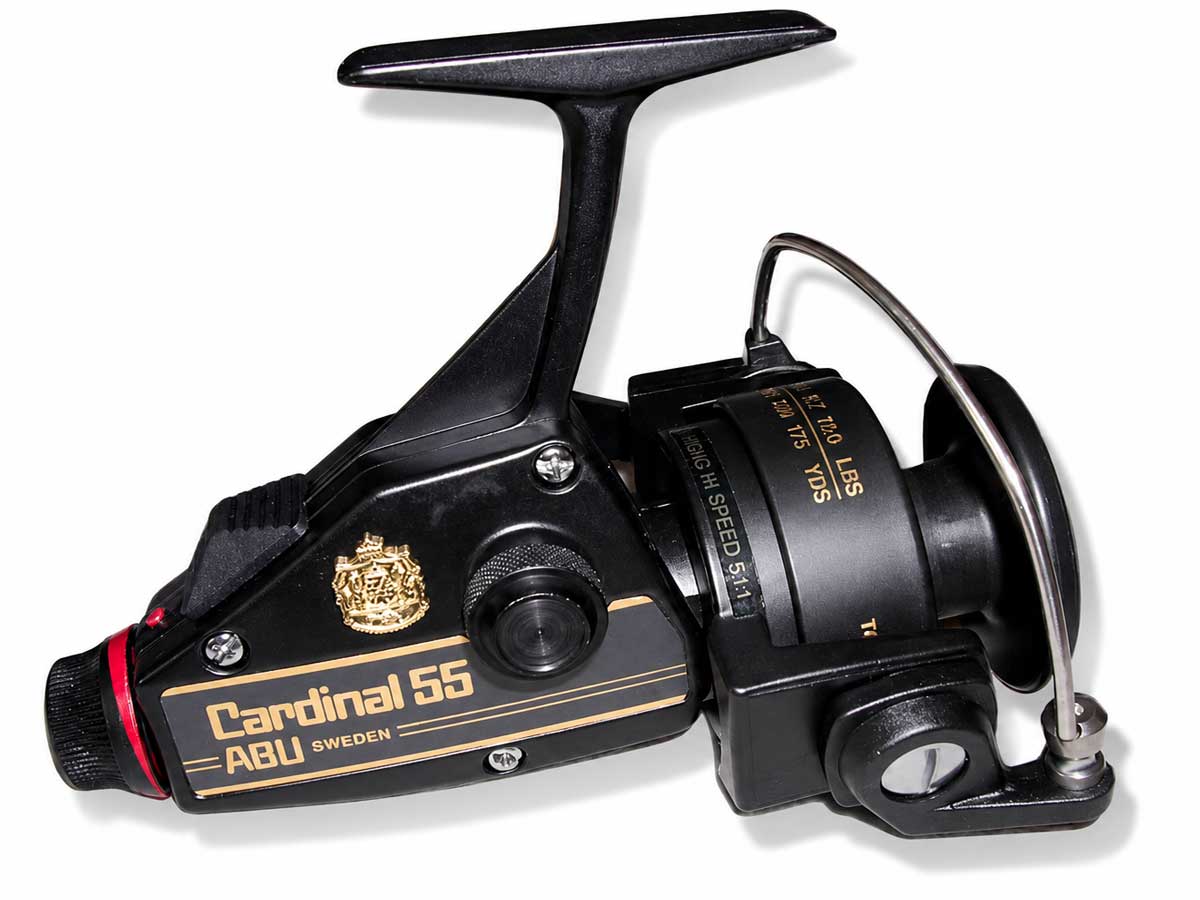
During this period, the visual and technical culture of carp fishing also developed. Reels, rods, bedchairs, bivvies, clothing and organisation at the swim became part of a distinct scene. England was no longer only the home of historic captures; it had become a driving force behind an entire carp-fishing culture.
The 1990s: magazines, record fish and the modern scene
In the 1990s, interest in carp fishing continued to grow rapidly. Magazines such as Carpworld, Big Carp and Carp-Talk made the scene faster, more visible and more professional. Captures, methods, venues and new products spread quickly.
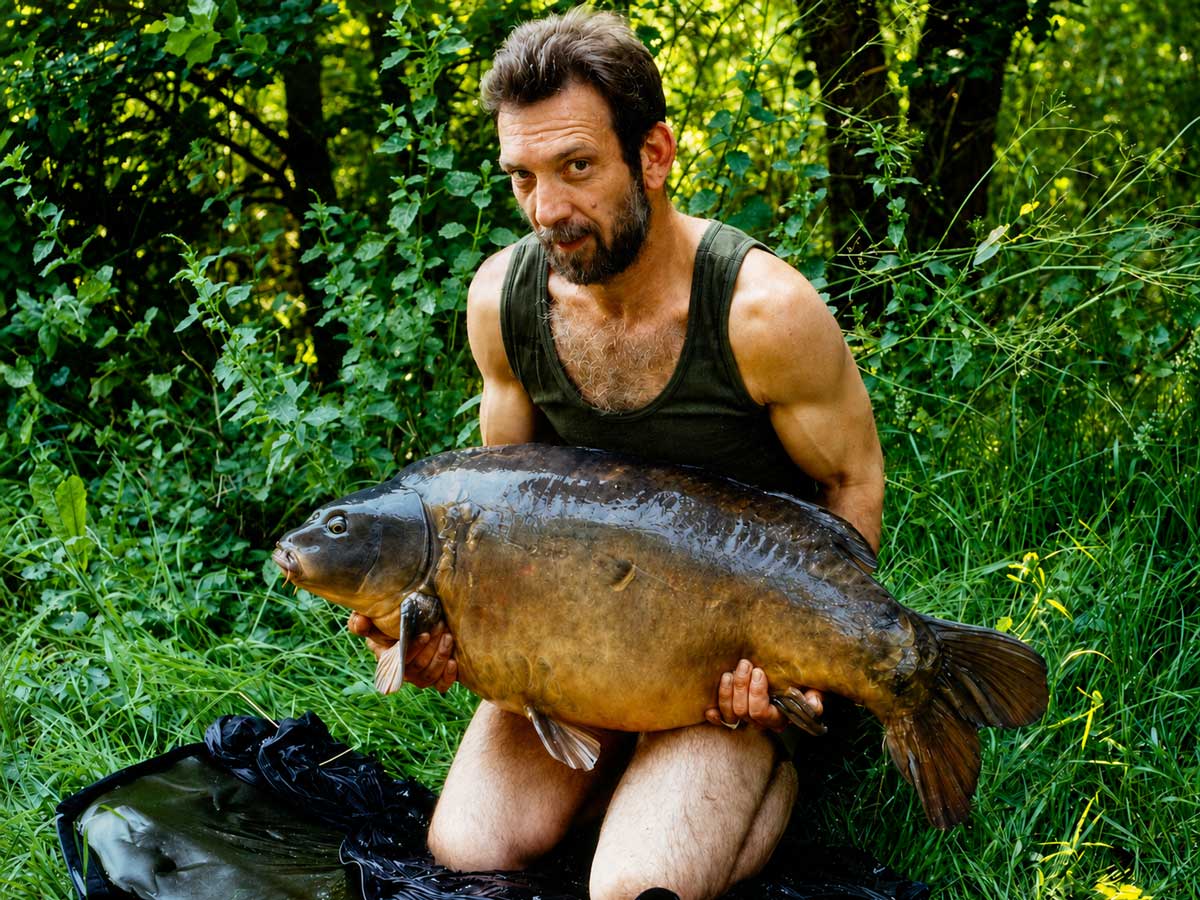
Waters such as Savay, Yateley, Wraysbury and other big-carp lakes defined the period. Names such as Terry Hearn, Martin Locke, Ritchie McDonald, Rob Maylin, Pete Springate and many others became associated with special captures and new standards.
The 1990s made one thing clear: carp fishing was no longer a niche. It had become an industry, a media world and an international movement. Tackle, bait, books, magazines, videos and later online content all built on this development.
Kevin Nash, Rod Hutchinson and the bridge to modern tackle culture
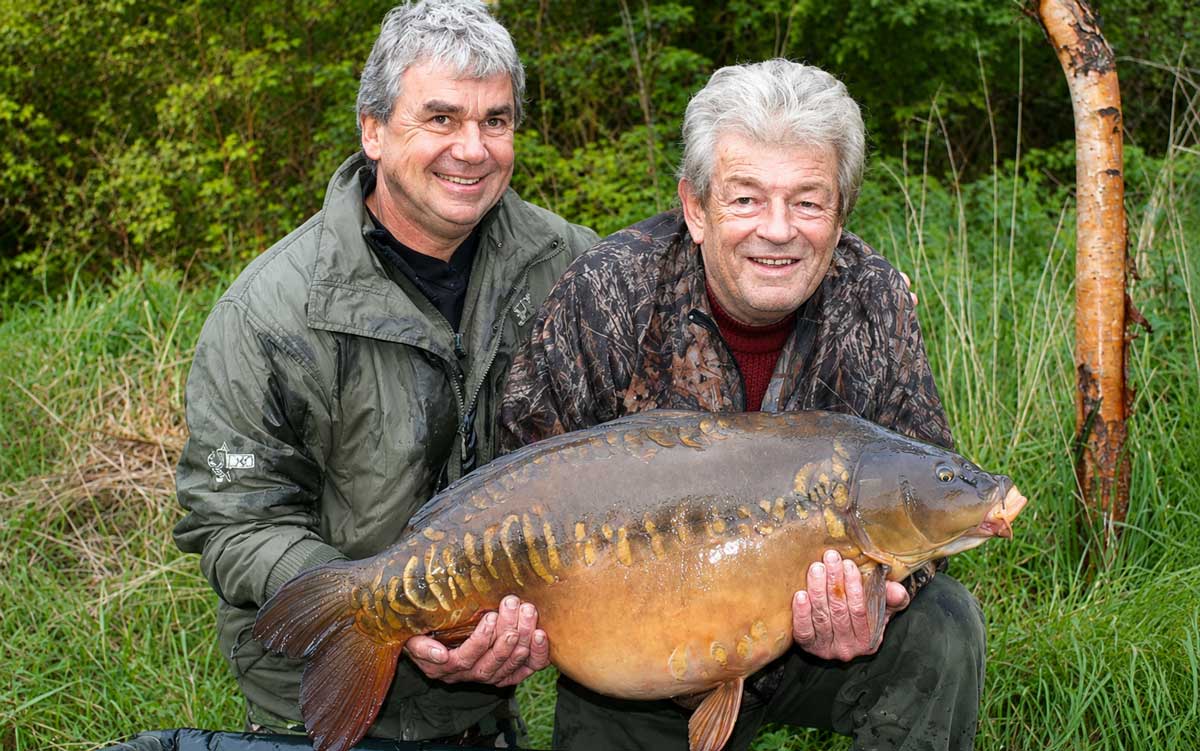
Kevin Nash and Rod Hutchinson represent the bridge between the pioneer years and the modern carp industry. Both combined practical experience on the bank with new ideas around tackle, bait, presentation and communication. Personal passion became products, books, brands and methods that influenced carp anglers far beyond England.
This is why England matters so much to carp anglers across Europe. Anyone who wants to understand modern rigs, boilies, bivvies, carp rods, rod pods, bite alarms, particle strategies or carp magazines almost automatically comes back to the English scene and its history.
Why this history still matters to today’s carp anglers
The history of carp fishing in England is not just nostalgia. It explains why modern carp anglers fish the way they do. The Hair Rig, boilies, particle baits, baiting strategies, big-carp hunting, specialist tackle and session-based thinking all have roots in this development.
For anglers in Europe, this story is especially relevant. Many methods, products and brands that now feel normal across the continent were shaped by English pioneers and later adapted to European waters, climates and fishing styles.
Experience modern carp-fishing history live
At Carp Austria, you can meet brands, exhibitors and products that grew directly or indirectly from this development: carp rods, bivvies, rod pods, bite alarms, end tackle, boilies, pop-ups, particle baits, fishing clothing and modern tackle for long sessions on the bank.
Conclusion: England is the origin of many modern carp-fishing ideas
England did not invent modern carp fishing alone, but it shaped it decisively. Redmire Pool, Richard Walker, Chris Yates, Jack Hilton, Rod Hutchinson, Kevin Maddocks, Fred Wilton, Kevin Nash and The Carp Society all stand for a development that changed carp fishing around the world.
Individual record captures became a culture. Simple baits became boilies and refined baiting systems. Improvised presentations became modern rigs. Stories of big carp became an international scene that continues to grow today.
Anyone who wants to understand carp fishing today cannot ignore England. The history of carp fishing in England is a story of pioneers, waters, records, bait and ideas – and it remains the foundation for many methods that modern carp anglers use on the bank.
Editorial note: This article is based on the historical original text “The Development of Carp Fishing in the UK” by Chris Ball and has been editorially revised, structured and optimised for Carp Austria. Original source: UK Carp History – American Carp Society